
- • 1. Introduction: The Regulatory Framework Governing PPF
- • 2. Key Contribution Limits & Statutory Boundaries
- • 3. Ministry of Finance Directives: Regularization of Irregular Accounts
- • 4. Minor Account Rules: Guardianship & Contribution Limits
- • 5. Rules for Non-Resident Indians (NRIs)
Master Compliance Document (Updated with Latest MoF Regularization Directives).
An Authoritative Legal & Regulatory Guide to Statutory Contribution Ceilings. Specifically, minor Account Guardianship Directives, Multiple Account Regularization Protocols, NRI Restrictions. Specifically, section 15 Asset Protection..
1. Introduction: The Regulatory Framework Governing PPF
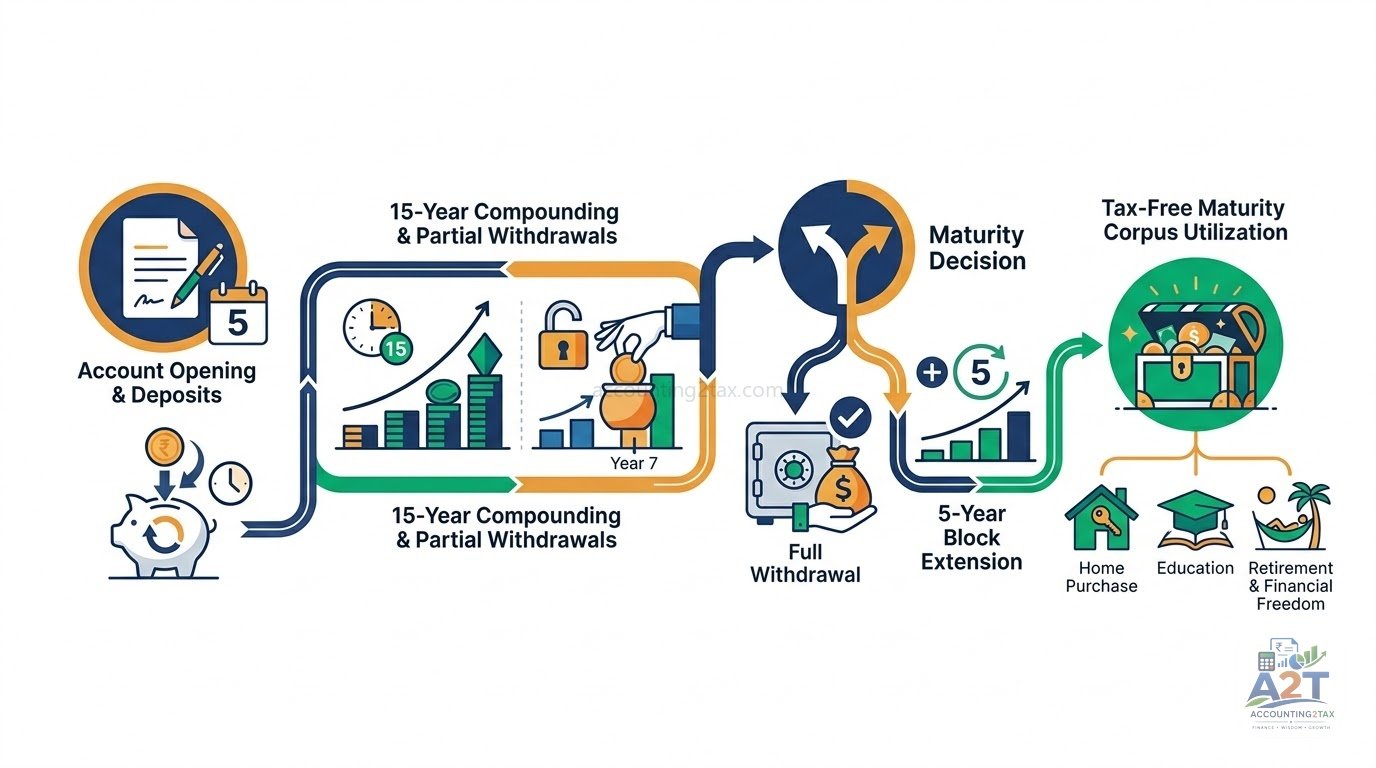
In addition, the Public Provident Fund operates under the Government Savings Promotion Act. In addition, the Department of Economic Affairs issues operational scheme rules.
Because PPF offers sovereign security and a 100% tax-free yield, strict regulations apply. Furthermore, recent Ministry of Finance Office Memorandums established clear compliance rules. Specifically, these guidelines govern minor accounts, multiple account regularization, and NRI accounts.
Consequently, understanding these statutory limits ensures seamless account operation and protects your tax benefits.
2. Key Contribution Limits & Statutory Boundaries
┌────────────────────────────────────────────────────────────────────────────────────────┐
│                              PPF STATUTORY LIMITS MATRIX                               │
├──────────────────────────────────┬─────────────────────────────────────────────────────┤
│ **Minimum Annual Deposit**       │ **₹500** per financial year (April 1 – March 31).   │
├──────────────────────────────────┼─────────────────────────────────────────────────────┤
│ **Maximum Annual Ceiling**       │ **₹1,50,000** per financial year (Combined cap).    │
├──────────────────────────────────┼─────────────────────────────────────────────────────┤
│ **Maximum Combined Family Cap**  │ ₹1.5L combined ceiling across Self + Minor accounts.│
├──────────────────────────────────┼─────────────────────────────────────────────────────┤
│ **Deposit Installments**         │ Flexible (Any number of deposits; min ₹50/deposit). │
├──────────────────────────────────┼─────────────────────────────────────────────────────┤
│ **Interest Eligibility Date**    │ Deposits on or before the **5th of the month**.     │
├──────────────────────────────────┼─────────────────────────────────────────────────────┤
│ **Inactivity Default Penalty**   │ **₹50 fine + ₹500 minimum deposit** per lapsed year.│
└──────────────────────────────────┴─────────────────────────────────────────────────────┘
3. Ministry of Finance Directives: Regularization of Irregular Accounts
As a result, the Ministry of Finance notified clear guidelines to regularize irregular accounts:.
┌────────────────────────────────────────────────────────────────────────────────────────┐
│                      MINISTRY OF FINANCE REGULARIZATION DIRECTIVES                     │
├──────────────────────────┬─────────────────────────────────────────────────────────────┤
│ Irregularity Category    │ Regulatory Mandate & Treatment                              │
├──────────────────────────┼─────────────────────────────────────────────────────────────┤
│ **1. Minor Accounts**    │ Accounts opened in deviation of rules earn **POSA rate**    │
│ **(Irregular Openings)** │ **(4.0%)** until age 18, then transition to full PPF rate.  │
├──────────────────────────┼─────────────────────────────────────────────────────────────┤
│ **2. Multiple Accounts** │ The bank retains primary account and merges secondary ones. │
│ **(Same Individual)**    │ **Zero interest accrues on excess deposits** over ₹1.5L/yr. │
├──────────────────────────┼─────────────────────────────────────────────────────────────┤
│ **3. NRI Extended**      │ Extended NRI accounts **stopped earning interest entirely   │
│ **Accounts**             │ after September 30, 2024**.                                 │
└──────────────────────────┴─────────────────────────────────────────────────────────────┘
4. Minor Account Rules: Guardianship & Contribution Limits
Either the mother or father can open an account for a minor child. However, both parents cannot open separate accounts for the same child.
In addition, grandparents cannot open an account unless both parents are deceased. Furthermore, the combined annual deposit across parent and minor accounts cannot exceed ₹1,50,000. Moreover, any excess amount earns zero interest and receives no tax deduction.
5. Rules for Non-Resident Indians (NRIs)
For instance, current regulations prohibit NRIs from opening new PPF accounts. However, if a resident becomes an NRI later, they may continue the account until 15-year maturity.
In contrast, NRIs cannot extend their accounts beyond the initial 15-year term. For accounts extended earlier, interest stopped accruing after September 30, 2024.
6. Joint Accounts and Nomination Regulations
Therefore, pPF rules prohibit joint account ownership. In comparison, every account must belong to a single individual.
However, subscribers must register at least one nominee during account opening. Similarly, if the subscriber passes away, the nominee receives the accumulated funds on behalf of legal heirs.
7. Account Inactivity, Default & Revival Protocol
In contrast, if you fail to deposit ₹500 in any financial year, your account becomes inactive. Overall, inactive accounts lose access to loans and partial withdrawals.
Ultimately, to revive the account, visit your home branch. Thus, pay a penalty of ₹50 per inactive year and deposit ₹500 for each lapsed year.
8. Form 4 Extension Rules & Deadlines
Specifically, at maturity, subscribers can extend their account with fresh deposits. However, you must submit Form 4 within one year of maturity.
In addition, if you continue depositing without submitting Form 4, all fresh deposits count as irregular. Consequently, they earn zero interest and forfeit tax deductions.
9. Legal Immunity: Protection from Court Attachment
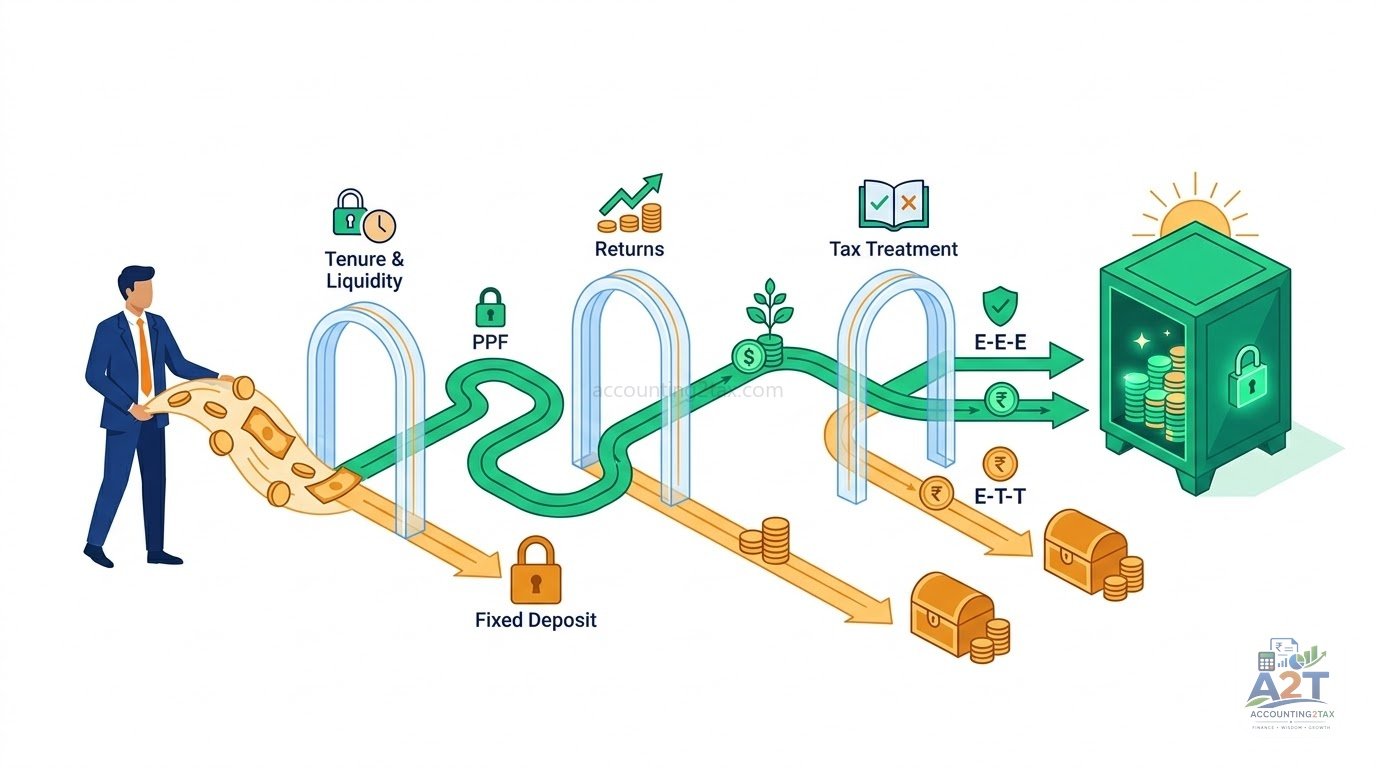
Furthermore, under Section 15 of the Government Savings Banks Act, courts cannot attach your PPF balance:.
┌────────────────────────────────────────────────────────────────────────────────────────┐
│                              PPF ASSET PROTECTION CHARTER                              │
├──────────────────────────────────┬─────────────────────────────────────────────────────┤
│ Civil Court Decrees              │ **100% Immune** (Cannot be attached for debt/loans) │
├──────────────────────────────────┼─────────────────────────────────────────────────────┤
│ Commercial Insolvency / IBC      │ **Protected** (Excluded from bankruptcy estates)    │
├──────────────────────────────────┼─────────────────────────────────────────────────────┤
│ Sovereign Tax Attachment         │ Tax authorities retain recovery rights for unpaid   │
│                                  │ statutory income tax arrears under the IT Act.      │
└──────────────────────────────────┴─────────────────────────────────────────────────────┘
10. Frequently Asked Questions (FAQs)
Q1. Can I deposit more than ₹1.5 Lakh in a financial year?
You can deposit excess funds, but amounts over ₹1.5 Lakh earn zero interest. Consequently, the bank will refund the excess balance.
Q2. Can I transfer my PPF account from a post office to a bank?
Yes. As a result, subscribers can transfer their accounts freely between post offices and authorized commercial banks.
Q3. How does the bank calculate the 15-year maturity date?
Moreover, the 15-year tenure begins from the end of the financial year in which you opened the account.
📚 Sources & Official Regulatory References
- ministry of Finance (Department of Economic Affairs) — dea.gov.in.
- department of Posts (Ministry of Communications) — indiapost.gov.in.
- national Savings Institute (NSI) — nsiindia.gov.in.
📚 Explore More in Government Schemes (Saving & Investment)
Taxonomy Series
Discover related guides, taxonomy series, and interactive financial calculators:
This publication is strictly for educational, research, and informational purposes and does not constitute formal financial, investment, tax, or legal advice.
- Data Accuracy & Inadvertent Errors: While every reasonable effort is made to maintain accuracy, all information, interest rates, tax thresholds, formulas, and statutory data are provided on an “as-is” basis. Accounting2Tax makes no express or implied warranties regarding absolute completeness, timeliness, or typographical and computational infallibility. Statutory authorities (Ministry of Finance, RBI, CBDT, CBIC, SEBI, PFRDA) update guidelines periodically. Readers must independently verify current rates and rules on official government portals before executing financial transactions.
- Illustrations, Simulations & Limitations of Liability: Mathematical models, compounding simulations, case studies, and hypothetical return projections are conceptual tools designed solely to demonstrate financial principles. They do not constitute guaranteed returns, profit forecasts, or capital safety commitments. Accounting2Tax and its authors disclaim all liability for any direct, indirect, or consequential financial losses, tax penalties, or investment outcomes arising from inadvertent errors, omissions, calculation discrepancies, or reliance placed on this material.
- Professional Consultation: Readers must independently evaluate their individual financial goals, tax positions, and risk tolerance, and consult a SEBI-registered financial advisor or certified chartered accountant before making financial decisions.